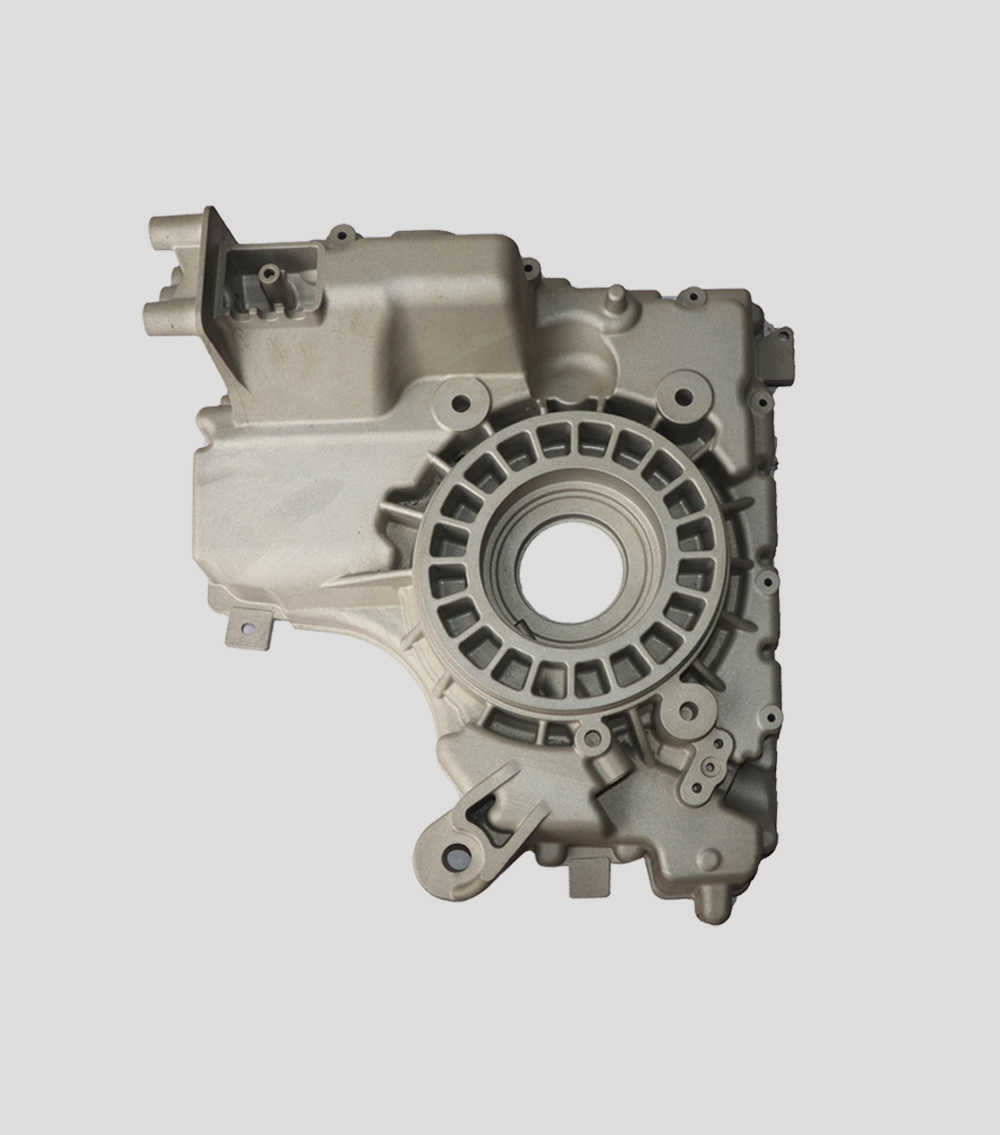
Die casting is a high-pressure manufacturing process that injects molten non-ferrous metals (e.g., aluminum, zinc) into reusable steel molds to rapidly produce strong, precise, and complex parts for automotive, electronics, and industrial applications.
Die Casting
Die casting is a high-pressure metal casting process where molten metal (e.g., aluminum, zinc, or magnesium) is forced into a reusable steel mold (die). It produces precise, complex metal parts with excellent surface finish and dimensional consistency.
Key Applications
Automotive: Engine components, transmission housings, brackets.
Consumer Electronics: Smartphone/device frames, heat sinks.
Industrial Equipment: Pump housings, valves, machinery parts.
Appliances: Washing machine parts, power tool bodies.
Aerospace: Lightweight structural components.
Advantages
High Efficiency: Rapid production of large volumes.
Precision: Tight tolerances and smooth surfaces (minimal post-processing).
Strength: Dense, durable parts with thin walls.
Material Flexibility: Works with non-ferrous alloys (e.g., Al, Zn, Mg).