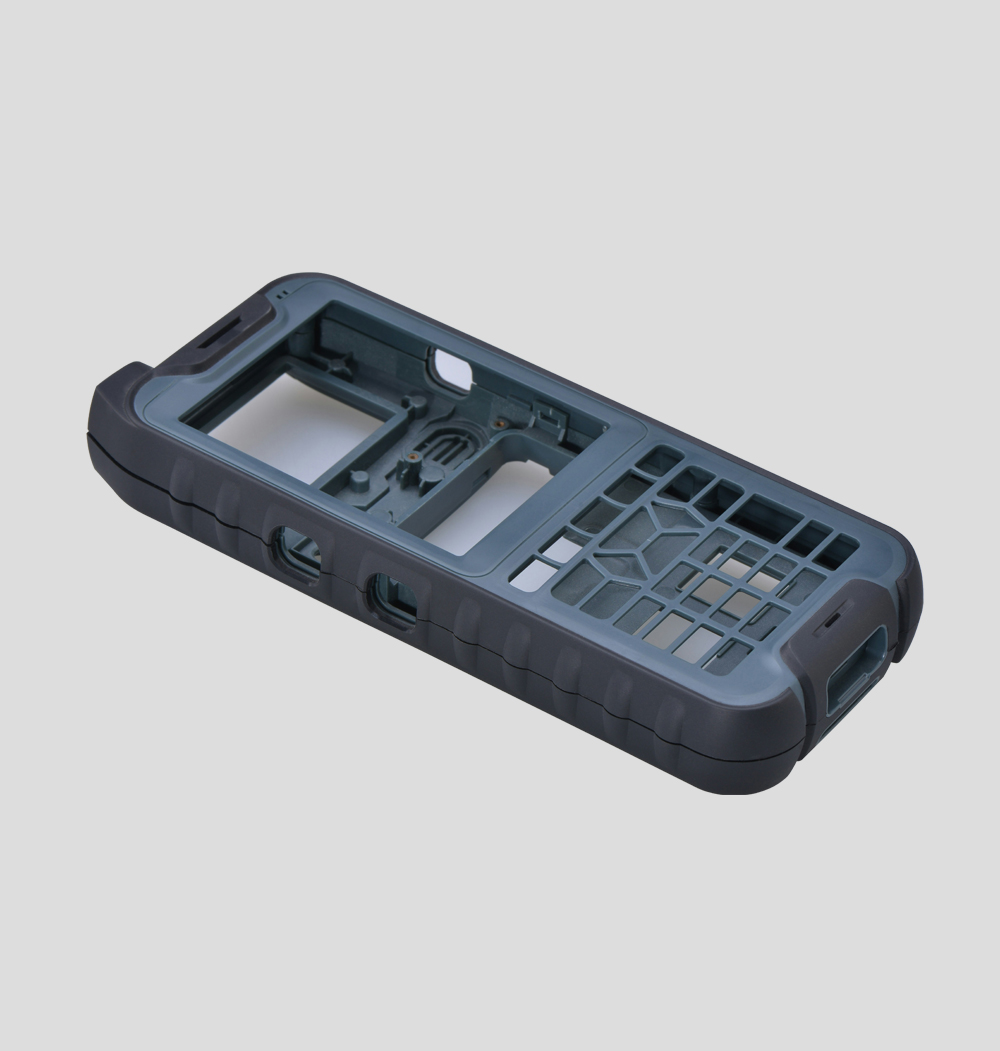
Plastic injection molding is a high-pressure manufacturing process that injects molten thermoplastics into custom molds to mass-produce durable, precise, and complex parts for industries like automotive, consumer goods, and medical devices.
Plastic Injection
Plastic injection molding is a manufacturing process where molten thermoplastic is injected under high pressure into a custom-designed mold. Once cooled and solidified, the mold opens to eject the final part. It is widely used for mass-producing identical plastic components with high precision.
Key Applications
• Consumer Goods:Packaging, toys, household items (e.g., bottle caps, containers).
• Automotive: Dashboards, bumpers, interior trim.
• Medical: Syringes, surgical tools, disposable devices.
• Electronics: Housings, connectors, cable components.
• Industrial: Pipes, fittings, machinery parts.
Advantages
• High Efficiency: Fast production of large volumes.
• Low Per-Unit Cost: Economical for mass production.
• Precision & Consistency: Complex geometries with tight tolerances.
• Material Variety: Compatible with most thermoplastics (e.g., ABS, polypropylene, nylon).
• Minimal Waste: Excess material can often be recycled.